

Japan’s reputation for precision and craftsmanship has carried into its whisky production, which has gained global attention in recent years. Among the many styles, blended whisky japanese stands out for its harmony of flavor and technique. This growing interest reflects the dedication and innovation of local distillers, who continue to refine what blended whisky japanese can be.
What Makes Blended Whisky Japanese Unique?
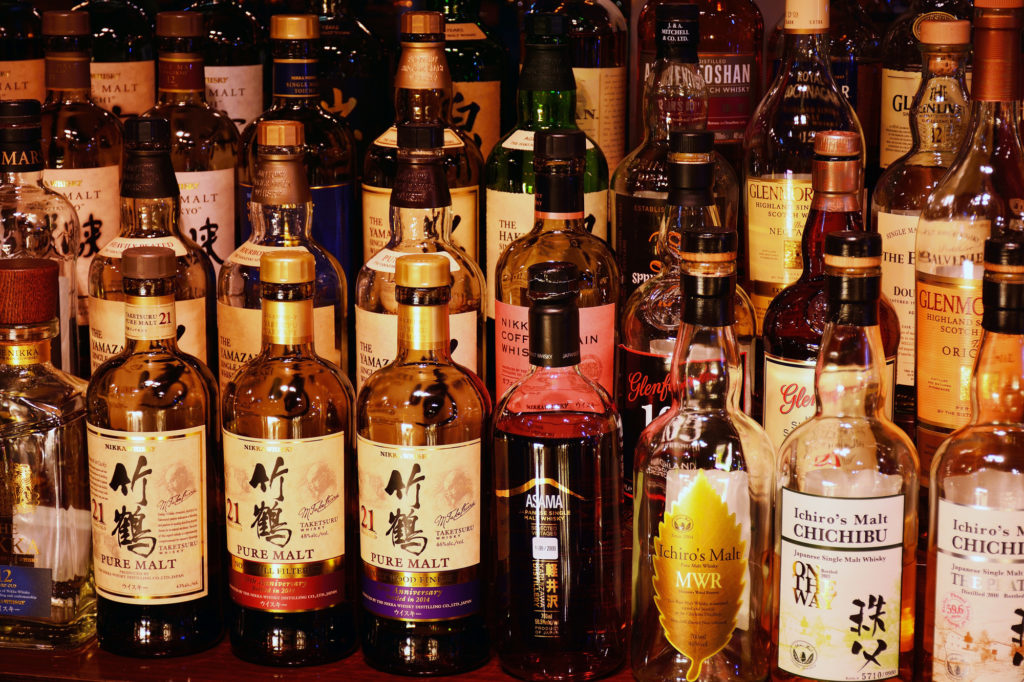
Factors That Define the Uniqueness of Japanese Blended Whisky
Several factors contribute to the uniqueness of Japanese blended whisky. The meticulous attention to detail, the influence of Japan’s climate, and the blend of traditional and innovative techniques set it apart from whiskies produced elsewhere. This distinction goes beyond flavor—it reflects a uniquely Japanese philosophy of craftsmanship, one shaped by a cultural emphasis on harmony, precision, and an innate respect for nature.
Japanese whiskies are crafted with an exceptionally thoughtful approach, born from a deep awareness of how every element—from ingredients to climate—shapes the final character. This level of care is not accidental but rooted in qualities often associated with Japanese artisans: quiet dedication, patience, and a relentless pursuit of refinement. As a result, these whiskies achieve more than technical excellence; they carry a sense of place, cultural heritage, and understated elegance. The harmony between nature and craftsmanship found in Japanese blended whisky is a testament to values that Japan has long held dear.
Climate and Aging Process
Japan’s diverse climate plays a key role in shaping its whisky. The clear seasonal changes and temperature swings speed up maturation, allowing Japanese whiskies to develop rich, complex flavors in a shorter time. This accelerated aging enables distillers to achieve depth without relying on long aging periods.
Because climate conditions vary widely across the country—from coastal humidity to cool mountain air—each distillery produces whiskies with distinct character. These environmental differences contribute to the nuanced profiles found in many Japanese blended whiskies, making them admired for their complexity and elegance.
Masterful Blending Techniques
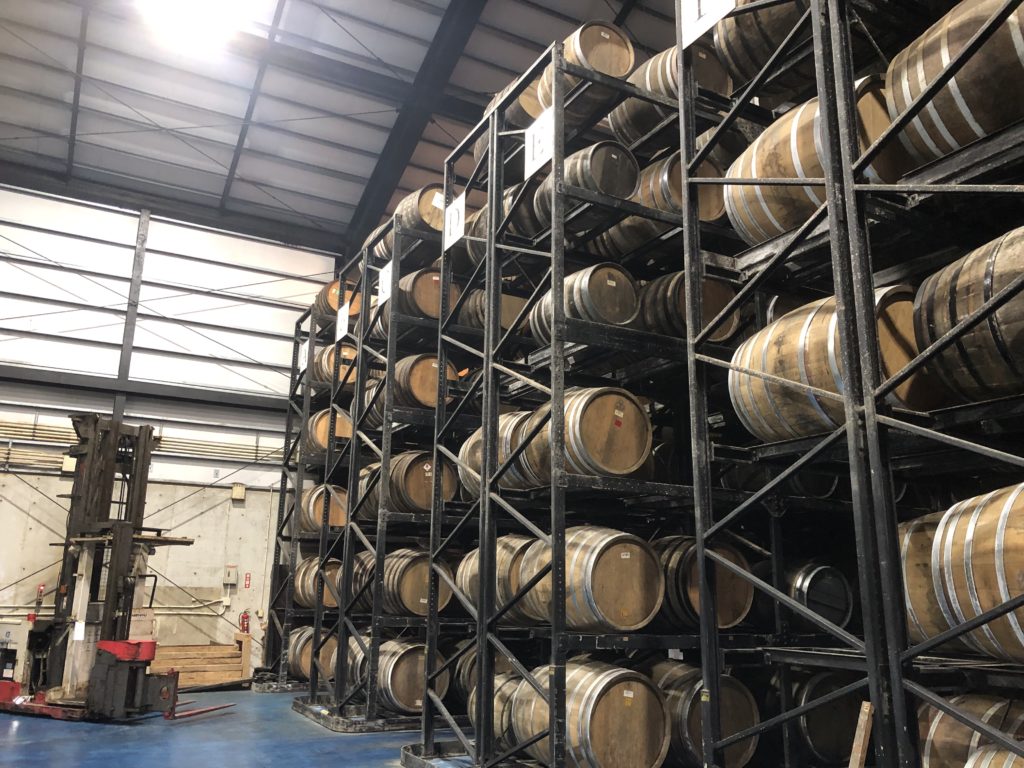
The art of blending is where Japanese whisky truly shines. Master blenders in Japan are revered for their skill in balancing the diverse flavor profiles of different whiskies. They meticulously select and combine various single malts and grain whiskies, considering factors like aroma, taste, and mouthfeel to craft a blend that is greater than the sum of its parts. This meticulous process is a testament to the Japanese philosophy of kaizen, or continuous improvement, which drives them to perfect the art of blending.
Japanese blenders often draw inspiration from traditional arts such as ikebana (flower arranging) and kintsugi (the art of repairing pottery with gold), both of which emphasize harmony and beauty. By applying these principles to whisky blending, they create products that are not only flavorful but also aesthetically pleasing. The result is a whisky that captivates the senses and tells a story with each sip.
Influence of Tradition and Innovation
Japanese whisky makers respect tradition yet are not afraid to innovate. They incorporate elements from their cultural practices, such as the purity-focused approach seen in tea ceremonies, into their whisky production. Additionally, they experiment with different casks, like Japanese oak (Mizunara), which imparts unique flavors that cannot be found elsewhere. Mizunara casks, in particular, are prized for their ability to impart complex notes of sandalwood, coconut, and oriental spices, adding a distinct Japanese character to the whisky.
Innovation in Japanese whisky also extends to the use of technology and modern techniques. Distillers are constantly exploring new methods to enhance the whisky-making process, whether through improved fermentation techniques or innovative aging processes. This commitment to innovation ensures that Japanese whisky remains at the forefront of the global whisky scene, continuously evolving while remaining deeply rooted in its cultural heritage.
Notable Japanese Blended Whiskies
Japanese blended whiskies have garnered international acclaim, competing with top whiskies from around the globe. Here are a few notable mentions that exemplify the artistry and craftsmanship of Japanese whisky makers.
Hibiki
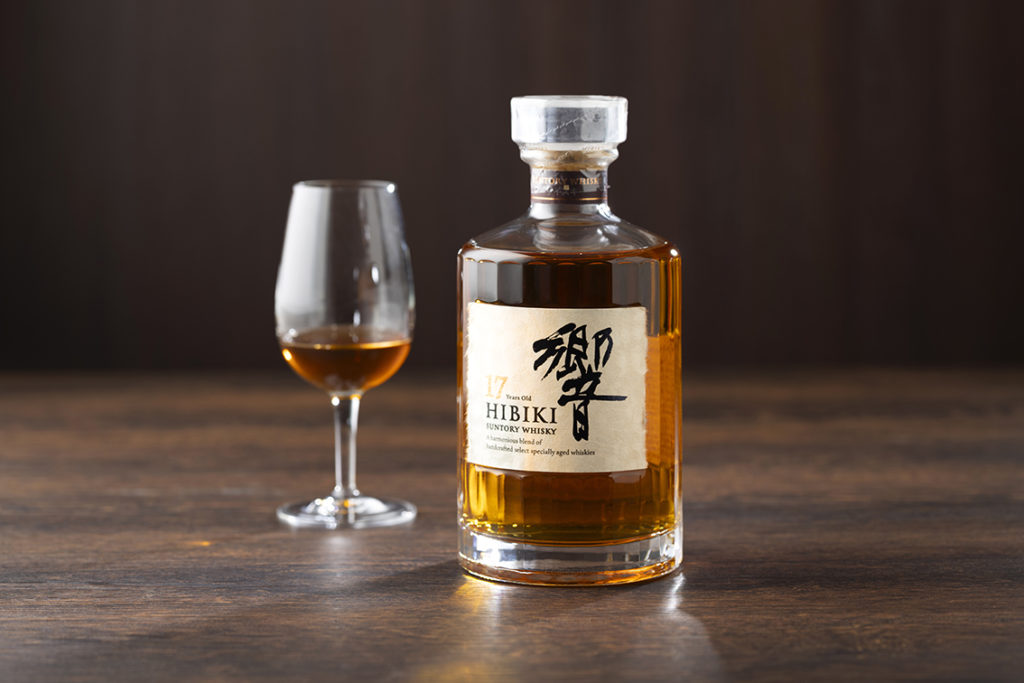
Hibiki is perhaps one of the most well-known Japanese blended whiskies. Produced by Suntory, it is celebrated for its harmonious flavor profile, which includes hints of honey, orange peel, and white chocolate. Hibiki is a testament to the complexity and elegance that Japanese whisky can achieve. Its name, meaning “resonance” in Japanese, reflects the blend’s ability to resonate with drinkers through its balance of flavors and aromas.
The creation of Hibiki involves blending numerous whiskies from Suntory’s distilleries, each contributing its unique characteristics. This painstaking process results in a whisky that is greater than the sum of its parts, offering a symphony of flavors that evolve on the palate. Hibiki’s international accolades and widespread popularity underscore its status as a benchmark for Japanese blended whisky.
Nikka Whisky From The Barrel

From the official Nikka Whisky website
Nikka’s Whisky From The Barrel is a bold blend that showcases the richness of Japanese whisky. With an ABV of 51.4%, it delivers a powerful punch of flavor, featuring notes of dried fruit, spices, and toffee. This blend is a favorite among whisky enthusiasts who appreciate a robust and full-bodied spirit. Its strength is balanced by a smooth finish, making it both a challenging and rewarding whisky to savor.
The philosophy behind Nikka Whisky From The Barrel is to capture the full potential of blending. It combines more than 100 different batches of malt and grain whiskies, resulting in a blend that is both complex and accessible. This whisky exemplifies the boldness and creativity that Japanese whisky makers bring to their craft, pushing the boundaries of what blended whisky can achieve.
Mars Shinshu Iwai Tradition

Mars Shinshu Distillery, located in the Japanese Alps, produces the Iwai Tradition, a blend that incorporates the unique characteristics of its mountainous surroundings. It offers a sweet and smoky palate with notes of caramel and oak, capturing the essence of Japanese craftsmanship. The distillery’s high-altitude location contributes to the whisky’s distinct profile, as the cooler climate affects the aging process, resulting in a delicate yet flavorful spirit.
The Iwai Tradition is inspired by the legacy of Kiichiro Iwai, a key figure in the history of Japanese whisky. This blend honors his contributions while showcasing the innovative spirit of Mars Shinshu Distillery. With its distinct flavor profile and commitment to quality, the Iwai Tradition stands as a testament to the diversity and excellence of Japanese blended whisky.
The Rising Popularity of Japanese Whisky Globally
The global interest in Japanese whisky has surged over the past few decades. Whisky lovers around the world have become enamored with the delicate and nuanced flavors that Japanese whiskies offer. This increasing demand has led to a rise in production and innovation, with new distilleries emerging across Japan. This surge is not just a passing trend but a reflection of the global appreciation for the quality and artistry inherent in Japanese whisky.
As Japanese whisky continues to gain recognition, it has also inspired international collaborations and exchanges. Distillers from various countries are eager to learn from Japan’s unique approach to whisky-making, leading to a cross-pollination of ideas and techniques. This global dialogue enriches the whisky industry as a whole, fostering creativity and innovation that benefits whisky enthusiasts worldwide.
Japanese Bourbon Whiskey
Japan has made significant strides not only in blended whisky but also in producing whiskey that follows bourbon-style methods. While the term “Japanese bourbon” may seem contradictory—since true bourbon must be produced in the United States—several Japanese distilleries have adopted similar techniques and put their own spin on the style.
For example, Kanosuke’s Hioki Pot Still is aged in new American white oak casks and bourbon barrels, resulting in a sweet, gently smoky profile. KANOSUKE
Another example is Whiskey&Co., which explicitly states its mission to create a “uniquely Japanese bourbon-style whiskey.”
These whiskies often use a high proportion of corn mash and maturation in charred oak barrels, merging the familiar sweetness of bourbon with the delicate complexity associated with Japanese whisky.
This blending of styles reflects Japan’s ability to adapt global whisky traditions and reinterpret them within its own cultural and technical framework.
Conclusion
Japanese blended whisky represents a fascinating intersection of art, tradition, and innovation. With its unique flavor profiles and meticulous craftsmanship, it is no wonder that Japanese whisky has captured the hearts of enthusiasts worldwide. Whether you’re a seasoned whisky connoisseur or new to the world of spirits, exploring Japanese blended whisky is a journey worth undertaking. The balance of tradition and modernity in each bottle reflects the essence of Japan itself—respectful of the past, yet eagerly embracing the future.
In your next whisky tasting adventure, consider savoring a dram of Japanese blended whisky. You might just find a new favorite in this exquisite expression of Japanese artistry. As you explore the diverse offerings, you’ll discover the intricate stories and rich traditions that each bottle encapsulates, providing a deeper appreciation for the mastery behind Japanese whisky-making.
This is not the only appeal of blended whiskey Japanese.
https://whiskyinjapan.com/category/the-story-behind