

Japan’s love affair with whisky has captured the world’s attention, and for good reason. What began as a modest attempt to replicate Scotch whisky has blossomed into a cultural phenomenon, with Japanese whisky now regarded as some of the finest in the world. In this article, we will explore the rise of Japanese whisky culture, the best brands to try, and why these whiskies have gained such popularity.
The history of Japanese whisky dates back to the early 20th century, with two pivotal figures: Shinjiro Torii and Masataka Taketsuru. Torii, the founder of Suntory, and Taketsuru, who studied the art of whisky making in Scotland, joined forces to create a uniquely Japanese spirit. Their collaboration led to the establishment of the Yamazaki Distillery in 1923, marking the beginning of Japan’s whisky journey.
The Unique Characteristics of Japanese Whisky
Craftsmanship and Precision
Japanese whisky is celebrated for its meticulous craftsmanship and attention to detail. Distillers focus on perfecting every element of production, from water source selection to barrel aging. This precision results in a smooth, balanced flavor profile, which sets Japanese whiskies apart from their global counterparts.
Influence of Nature
Japan’s varied climate and diverse geography play a crucial role in shaping the character of its whisky. The mountainous regions provide pure water sources, while the distinct seasons contribute to unique aging conditions. These factors combine to create a whisky that embodies the harmony and elegance of Japanese culture.
Top Japanese Whisky Brands
Suntory
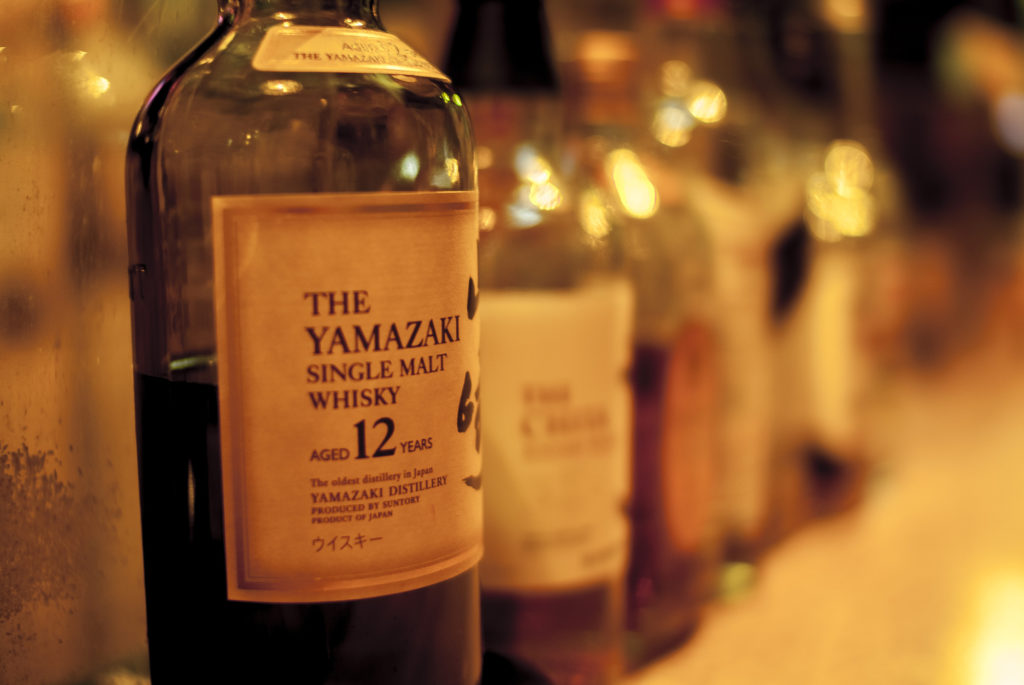
Suntory is one of the most renowned Japanese whisky brands, and its products are often considered the best in the world. Their portfolio includes the Yamazaki, Hakushu, and Hibiki lines, each offering a unique taste experience. Yamazaki is known for its rich, fruity profile, while Hakushu offers a fresh, herbal taste. Hibiki, a blended whisky, is celebrated for its complex and harmonious flavors.
Nikka

Founded by Masataka Taketsuru, Nikka is another leading name in Japanese whisky. The Yoichi and Miyagikyo distilleries produce some of the most sought-after single malts. Yoichi is known for its bold, peated flavors, reminiscent of traditional Scotch whiskies, while Miyagikyo offers a softer, fruitier profile.
Chichibu
Chichibu is a relatively new player in the Japanese whisky scene but has quickly gained a reputation for producing top-rated whiskies. Founded by Ichiro Akuto in 2008, Chichibu focuses on small-batch production, resulting in exceptional quality and distinct character.
Click here for information on distilleries across Japan
Exploring Japanese Whisky Varieties
Single Malt Japanese Whisky
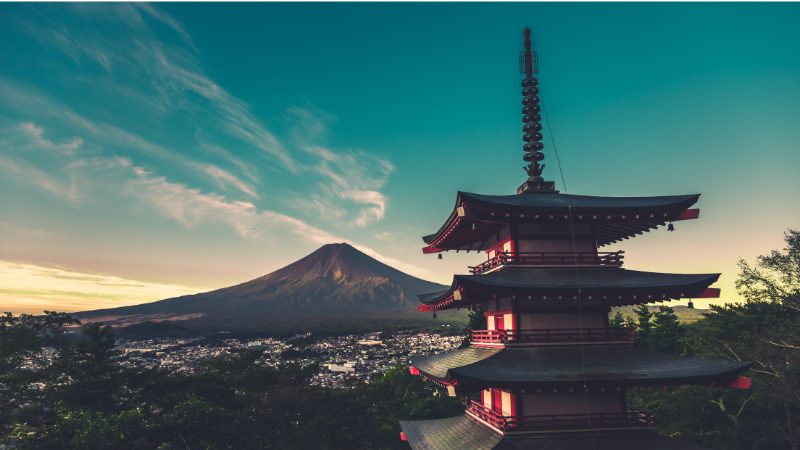
Single malt whisky is made from malted barley at a single distillery. Japanese single malt whiskies, such as Yamazaki and Yoichi, are known for their complexity and depth of flavor. They often feature a balance of fruity, floral, and smoky notes, making them a favorite among whisky enthusiasts.
Blended Japanese Whisky
Blended whisky combines whiskies from different distilleries to create a harmonious flavor profile. Hibiki is a prime example of a well-crafted blended Japanese whisky, offering a perfect balance of sweet, spicy, and floral notes.
Peated Japanese Whisky
Peated whisky is characterized by its smoky flavor, which comes from drying malted barley over a peat fire. While not as common as other styles, peated Japanese whisky is gaining popularity. Yoichi is a great example of a peated Japanese whisky, offering a robust and smoky taste that appeals to fans of traditional Scotch.
The Global Impact of Japanese Whisky
Awards and Recognition
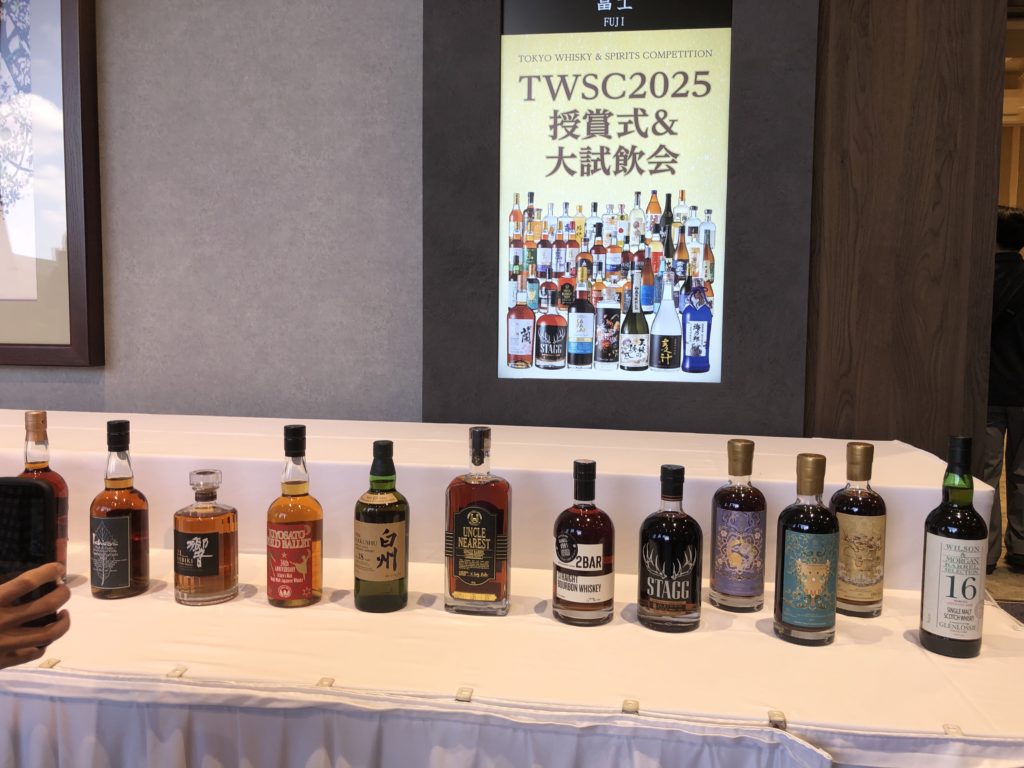
Japanese whisky has garnered numerous awards and accolades on the global stage. In 2014, the Yamazaki Single Malt Sherry Cask was named the world’s best whisky by the prestigious Whisky Bible, propelling Japanese whisky into the international spotlight.
Growing Demand
As the popularity of Japanese whisky continues to rise, so does the demand. This has led to shortages and increased prices, making some bottles highly sought after by collectors and connoisseurs alike. Despite these challenges, the allure of Japanese whisky remains strong, with new fans discovering its unique flavors every day.
How to Enjoy Japanese Whisky
Neat or On the Rocks
To fully appreciate the intricate flavors of Japanese whisky, many aficionados recommend drinking it neat or with a splash of water. This allows the whisky’s subtle notes to shine through. For those who prefer a chilled experience, serving it over a large ice cube can help maintain its flavor integrity while keeping it cool.
Highball
The Japanese highball is a popular way to enjoy whisky, particularly during warm weather. To make a highball, simply mix Japanese whisky with sparkling water and ice. This refreshing cocktail highlights the whisky’s crisp and clean flavors, making it a favorite among casual drinkers and whisky enthusiasts alike.
Food Pairings
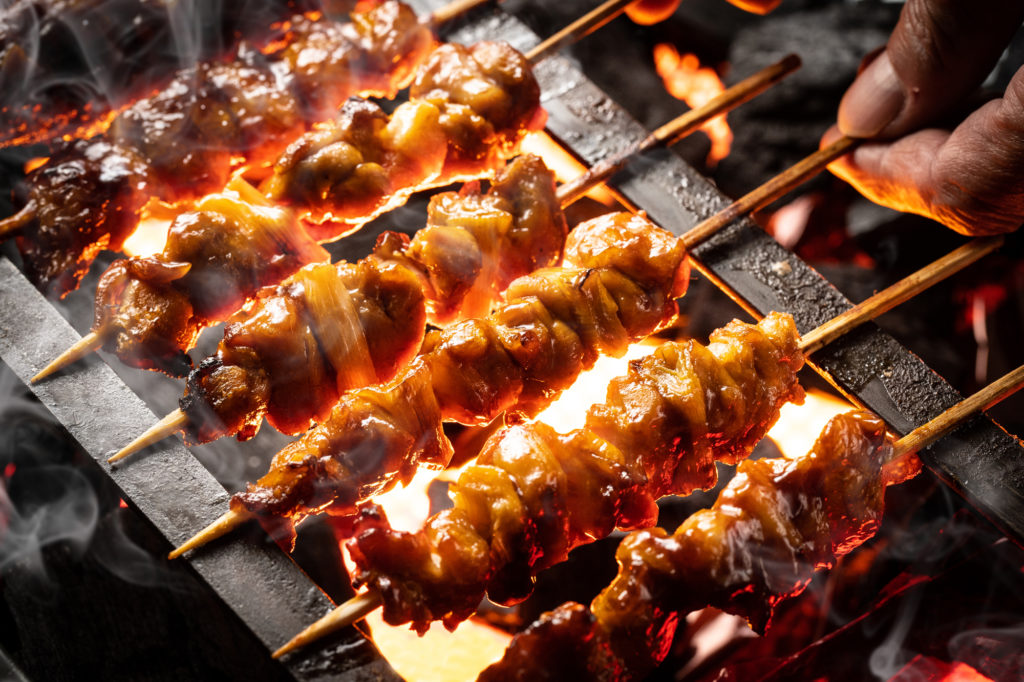
Japanese whisky pairs beautifully with a variety of foods, from traditional Japanese dishes like sushi and sashimi to grilled meats and cheeses. The balanced flavors of Japanese whisky complement the delicate flavors of these dishes, enhancing the overall dining experience.
The Future of Japanese Whisky Culture
The future of Japanese whisky culture looks promising, with new distilleries emerging and established brands continuing to innovate. As interest in Japanese whisky grows, distillers are exploring new techniques and flavor profiles, ensuring that the world’s fascination with this unique spirit endures.
The history of Japanese whisky dates back to the early 20th century, with two pivotal figures: Shinjiro Torii and Masataka Taketsuru. Torii, the founder of Suntory, and Taketsuru, who studied the art of whisky making in Scotland, joined forces to create a uniquely Japanese spirit. Their collaboration led to the establishment of the Yamazaki Distillery in 1923, marking the beginning of Japan’s whisky journey.
The Unique Characteristics of Japanese Whisky

Craftsmanship and Precision
Japanese whisky is celebrated for its meticulous craftsmanship and attention to detail. Distillers focus on perfecting every element of production, from water source selection to barrel aging. This precision results in a smooth, balanced flavor profile, which sets Japanese whiskies apart from their global counterparts.