
The world of whisky is vast, with a rich history and diverse flavor profiles. Among the many varieties, Japanese whisky has carved out a unique niche. Known for its meticulous craftsmanship and exceptional quality, Japanese whisky has gained international acclaim. Let’s explore the art of Japanese whisky distillation, from its origins to the distinct types that have captivated enthusiasts worldwide.
The Art of Japanese Whisky Distillation
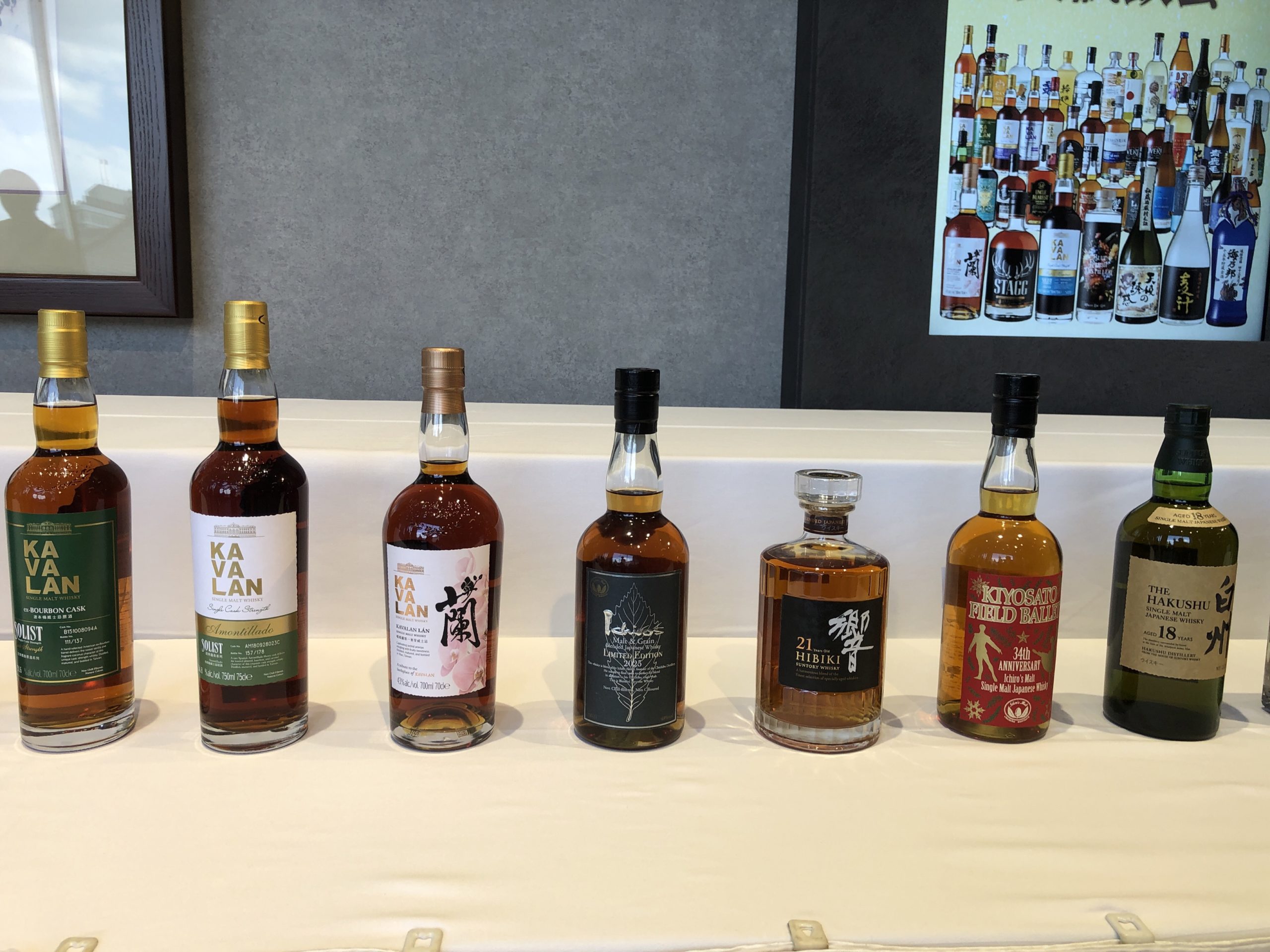
The story of Japanese whisky begins in the early 20th century. Influenced by Scottish methods, Japanese distillers embarked on a journey to create their own unique spirit. The pioneers of Japanese whisky, such as Masataka Taketsuru and Shinjiro Torii, laid the foundation for what would become a thriving industry. Their dedication to quality and innovation set the stage for the rise of Japanese whisky on the global stage.
The Distillation Process
Ingredients and Fermentation
Japanese whisky is crafted using a mix of malted barley, corn, and sometimes other grains. The fermentation process is crucial in developing the flavor profile of the whisky. Japanese distillers often use a variety of yeast strains to achieve the desired taste, adding complexity to the final product.
Distillation Techniques

The distillation process in Japan is heavily influenced by traditional Scottish techniques. However, Japanese distillers have introduced their own innovations, resulting in a distinct style. Typically, Japanese whisky undergoes two rounds of distillation in copper pot stills. This method helps to refine the spirit and enhance its character.
Maturation and Aging
A key component of Japanese whisky’s unique flavor is its maturation process. The whisky is aged in a variety of casks, including American oak, sherry, and Mizunara oak. Mizunara oak is particularly prized for its ability to impart complex flavors such as coconut, sandalwood, and oriental spices.
Types of Japanese Whisky
Japanese Single Malt Whisky
Japanese single malt whisky is made from 100% malted barley and distilled at a single distillery. These whiskys are known for their rich, nuanced flavors and are often compared to the best single malts from Scotland. Some of the most notable single malts come from distilleries like Yamazaki and Hakushu.
Japanese Blended Whisky
Blended whisky is a staple in Japan, combining multiple malt and grain whiskys to create a balanced and harmonious flavor profile. Brands like Hibiki have mastered the art of blending, producing whiskys that are both complex and approachable.
Japanese Grain Whisky
Grain whisky is typically lighter and smoother than its malt counterpart. It is made from grains like corn, wheat, or rye. While often used in blends, some Japanese distilleries, such as Chita, produce exceptional single grain whiskys that stand on their own.
Peated Japanese Whisky
Peat, a type of soil rich in organic material, is used in the malting process to give whisky a smoky flavor. Peated Japanese whiskys are less common but offer a unique twist on traditional profiles. Distilleries like Yoichi are known for their peated expressions, which bring a touch of smokiness to the table.
Notable Japanese Whisky Brands

Japan is home to several renowned whisky brands, each with its own distinct character and legacy. Here are a few that have made a significant impact:
- Suntory: As one of the oldest and most respected whisky producers in Japan, Suntory offers a range of outstanding products. From the smooth Hibiki blends to the refined Yamazaki single malts, Suntory continues to set the standard for quality.
- Nikka: Founded by Masataka Taketsuru, Nikka has played a crucial role in shaping Japanese whisky. Their offerings, such as the Yoichi and Miyagikyo single malts, showcase the diversity and craftsmanship of Japanese whisky.
- Chichibu: A relatively new player in the industry, Chichibu has quickly gained recognition for its innovative approach and small-batch releases. Their commitment to quality and experimentation has earned them a dedicated following.
How to Enjoy Japanese Whisky
Neat or On the Rocks
For purists, enjoying Japanese whisky neat or with a single ice cube is the best way to appreciate its complex flavors and aromas. This method allows the spirit to open up and reveal its full character.
Highball
The whisky highball is a popular choice in Japan, offering a refreshing and effervescent way to enjoy whisky. Simply mix a good Japanese whisky with soda water and serve over ice for a light, invigorating drink.
Whisky Cocktails
Japanese whisky also shines in cocktails, adding depth and sophistication to classic recipes. Try a Japanese twist on a whisky sour or an old fashioned for a new take on traditional favorites.
The Global Appeal of Japanese Whisky
Japanese whisky has won over critics and consumers alike, earning numerous awards and accolades. Its rise in popularity can be attributed to its commitment to quality, innovation, and the artful blending of tradition and modernity. As more people discover the joys of Japanese whisky, its influence continues to grow on the global stage.
In conclusion, the art of Japanese whisky distillation is a testament to the skill and dedication of its creators. From its humble beginnings to its current status as a world-class spirit, Japanese whisky has earned its place among the best in the world. Whether you’re a seasoned connoisseur or a curious newcomer, exploring the diverse offerings of Japanese whisky is a journey worth taking. Cheers to the craftsmanship and passion that make Japanese whisky truly exceptional.
Why not find your favorite Japanese whisky?
Japanese Whisky news, events, etc.
Japanese Whisky Terroir & Craft
Japanese Whisky the story behind