
Japanese whisky has carved out a unique niche in the world of spirits. It draws inspiration from Scotch whisky but stands apart with its distinct characteristics.
The journey of Japanese whisky began in the early 20th century. Pioneers like Masataka Taketsuru played a crucial role in its development.
Today, Japanese whisky is celebrated for its subtlety, balance, and complexity. It often features floral, fruity, and sometimes spicy notes.
The production process is meticulous, reflecting the precision and craftsmanship of Japanese culture. This attention to detail has earned Japanese whisky international acclaim and numerous awards.
In this article, we look at the differences between Japanese and Scotch whisky. We will discuss their origins, how they are made, and their flavor profiles.
The Origins: History and Inspiration
Japanese whisky owes its origins to the influence of Scotch whisky. Masataka Taketsuru, who studied the art of whisky-making in Scotland, became instrumental in its creation. His passion for craft and innovation laid the foundation for Japanese whisky’s growth.
The first Japanese whisky distillery, Yamazaki, was established in 1923. It marked the beginning of a new era. The distillery was founded by Shinjiro Torii, who shared Taketsuru’s vision of crafting whisky in Japan.

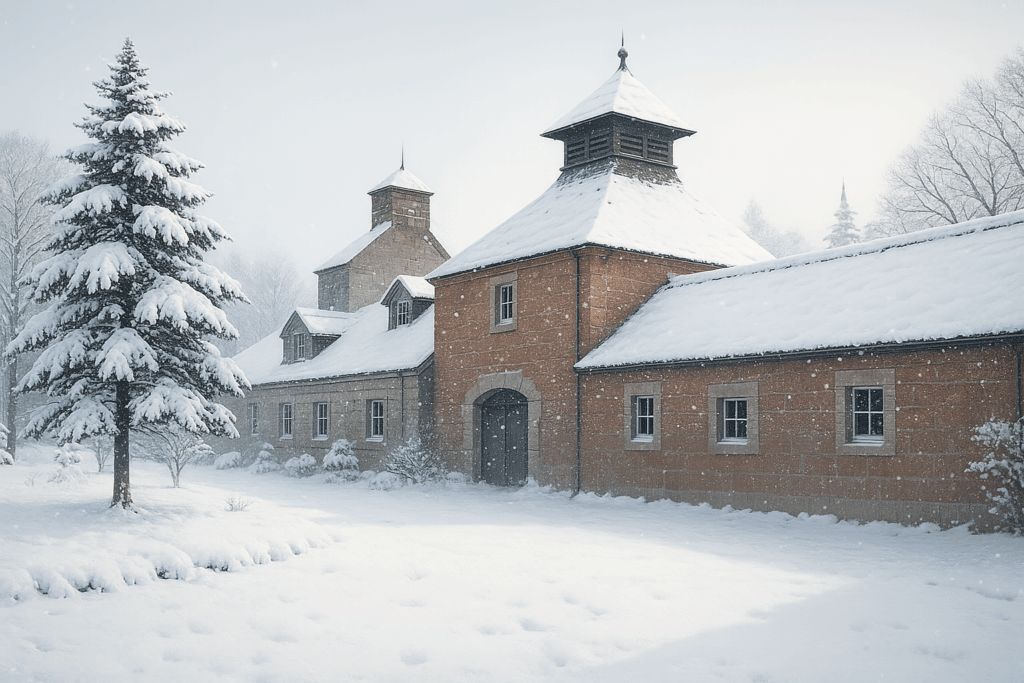
Despite its Scotch roots, Japanese whisky evolved into a distinct identity over the decades. It mixed Scottish tradition with Japanese skill and art. This created a unique blend of cultures and methods that amazed whisky lovers around the world.
Production Methods: Tradition Meets Innovation
Japanese whisky production blends traditional methods with innovative techniques. Distilleries focus on quality and precision, ensuring consistency in each batch. This approach allows them to produce whisky with exceptional character and charm.
Innovation thrives in Japanese whisky-making through experimentation. Distilleries often blend different grain types and employ unique cask aging methods. This creativity results in varied and complex flavor profiles.
A distinctive feature of Japanese whisky production is the use of Mizunara oak casks. Known for imparting exotic flavors such as coconut and sandalwood, these casks are highly regarded. This unique aging process highlights the innovation that defines Japanese whisky.
- Diverse grains including malted and unmalted barley
- Unique cask types, especially Mizunara oak
- Precision and craftsmanship in every batch
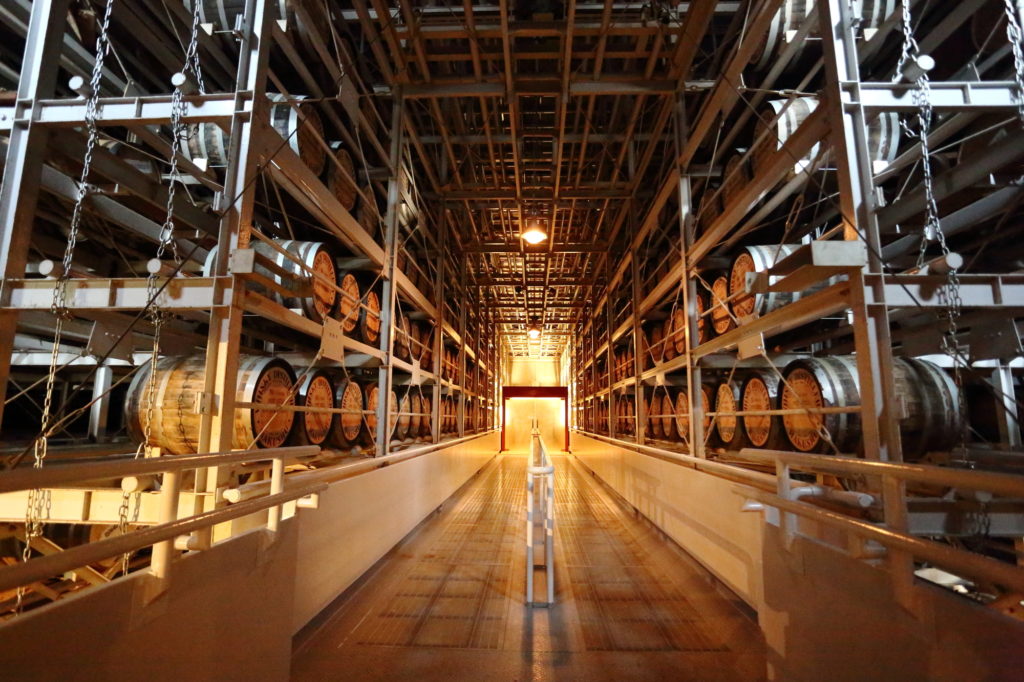
Thus, Japanese whisky masters beautifully merge tradition with modernity. They craft spirits that appeal to both connoisseurs and newcomers alike, emphasizing harmony and balance in every sip.
Ingredients: What Is Japanese Whisky Made Of?
The ingredients used in Japanese whisky are crucial to its distinctiveness. Primarily, malted and unmalted barley serve as the base grains. These grains provide the foundation for complex flavors.
Water plays a key role in whisky production. Many Japanese distilleries source water from pure mountain springs, enhancing quality. This pristine water contributes to the smooth character of the whisky.
In addition to grains and water, the choice of yeast and fermentation process impacts flavor. Distilleries may experiment with different strains of yeast to achieve desired taste profiles.
- Malted and unmalted barley
- Pristine mountain spring water
- Various yeast strainby
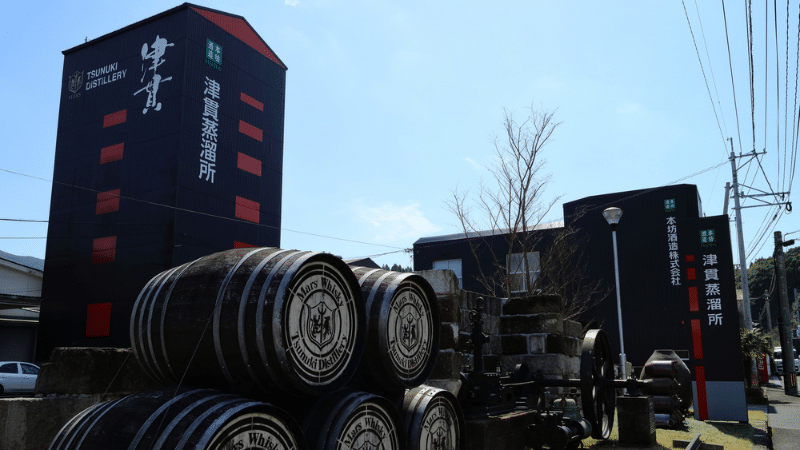
These carefully chosen ingredients highlight the detailed craftsmanship involved. Together, they form the unique identity of Japanese whisky.
Maturation and Climate: The Role of Environment
The climate in Japan plays an essential role in whisky maturation. With distinct seasons, whisky ages differently compared to those in Scotland. The temperature variations accelerate aging, influencing flavor development.
Japanese whisky often matures in diverse casks. The use of Mizunara oak is particularly unique. It imparts distinct notes such as sandalwood and coconut, enhancing complexity.
In Japan’s geographical regions, the varied climates offer unique aging conditions. These regional influences result in diverse flavor profiles across distilleries. Thus, the environment becomes a silent craftsman.
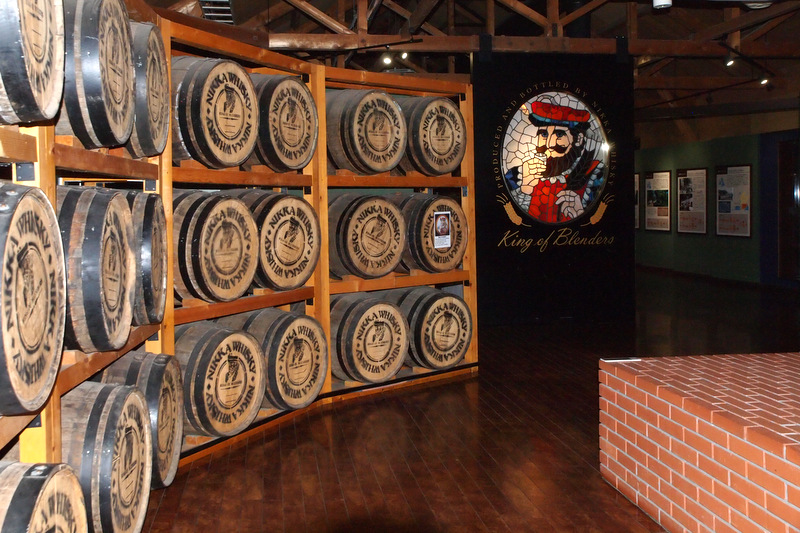
This unique blend of climate and cask choice sets Japanese whisky apart. It showcases not only nature’s influence but also the artistry of Japanese whisky makers.
Flavor Profiles: What Does Japanese Whiskey Taste Like?
Japanese whisky is known for its delicate and balanced flavors. Unlike the bold smokiness of some Scotch, it often emphasizes subtlety. This results in an elegant tasting experience that appeals to many palates.
A hallmark of Japanese whisky is its complexity. It often features floral and fruity notes. Common flavor descriptors include apple, pear, and light citrus.
Spice is another element found in many Japanese whiskies. Subtle hints of vanilla and clove can be discovered. Occasionally, a touch of smokiness emerges, adding depth.
- Floral and fruity notes
- Subtle spice and vanilla undertones
- Occasionally smoky hints for complexity
Japanese whisky is a harmonious blend of flavors. This makes it adaptable to various serving styles. It is enjoyed neat or in highball cocktails.
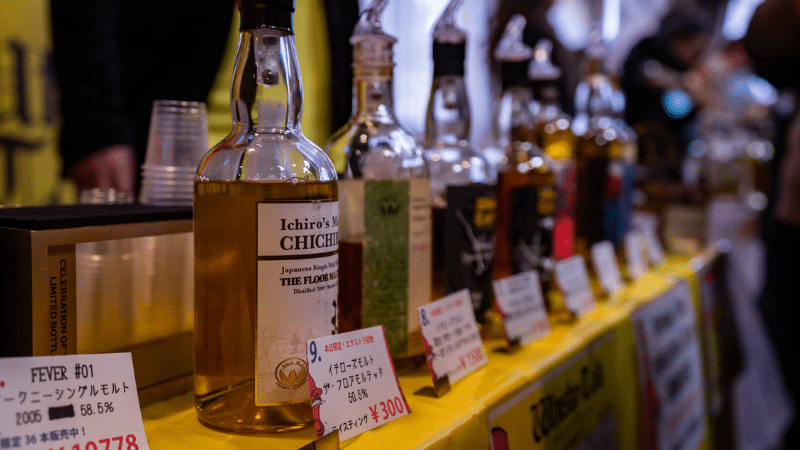
This refined flavor profile is a testament to Japanese craftsmanship. Each sip reveals a new layer of taste, highlighting the distillers’ art.
Japanese Whisky vs Bourbon: Key Differences
Japanese whisky and bourbon are often compared for their smoothness. However, they differ significantly in several aspects. Each offers a unique tasting experience based on distinct production methods and traditions.
Bourbon is defined by its use of corn. It must contain at least 51% corn mash. This gives bourbon its signature sweetness and body.
Japanese whisky, on the other hand, is more focused on precision and balance. It utilizes various grains and blending techniques. This results in a delicate, nuanced flavor profile unlike bourbon’s robust sweetness.
- Bourbon: corn mash, sweeter, fuller body
- Japanese whisky: diverse grains, balanced, nuanced
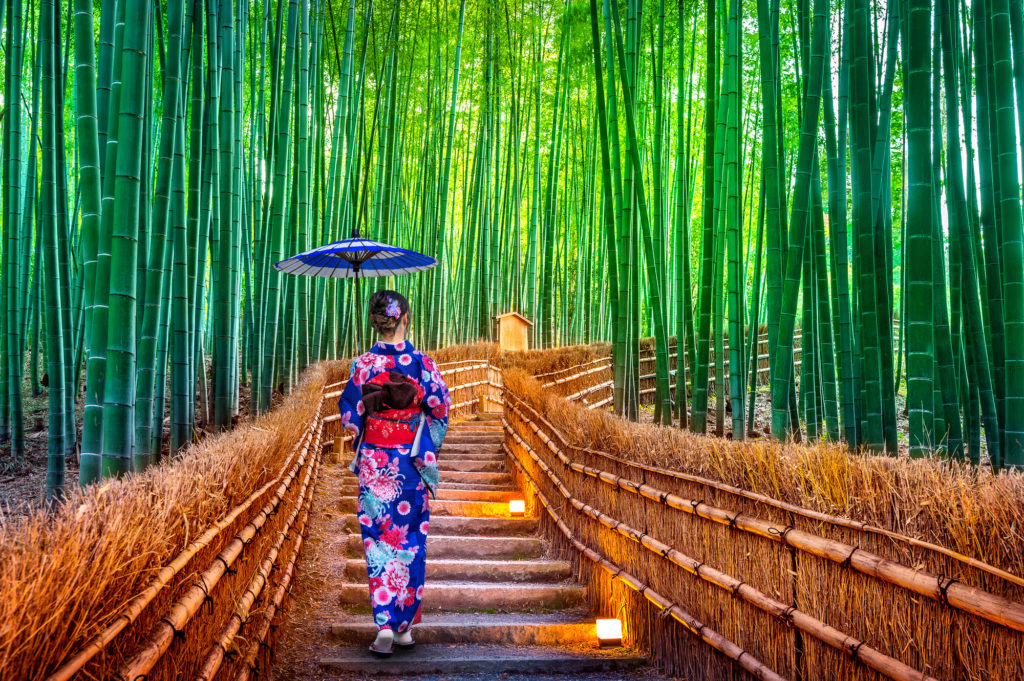
These differences highlight the unique identities of each spirit. Japanese whisky and bourbon both hold esteemed places in the world of whisky. Their contrasting characteristics offer something for every palate.
What Makes Japanese Whisky Different?
Japanese whisky’s distinctive character comes from several unique qualities. The influence of both tradition and innovation is clear. It’s this blend that sets it apart on the global stage.
Craftsmanship in Japan pays meticulous attention to detail. Distilleries blend precision with creativity, resulting in extraordinary whisky. This approach reflects Japan’s cultural nuances.
Japanese whisky’s delicate flavor profile is built on diverse ingredients and environmental factors. The use of Mizunara oak casks and mountain spring water adds depth. These elements create complexity and subtlety in Japanese whisky.
- Meticulous craftsmanship
- Mizunara oak cask aging
- Pristine water sources
These factors culminate in a whisky that’s truly one-of-a-kind. Japanese whisky invites both novices and connoisseurs alike to explore its layered flavors.
Enjoying Japanese Whisky: Serving and Culture
Japanese whisky can be enjoyed in several ways, each enhancing its nuanced taste. Many prefer it neat or with a splash of water to highlight its subtleties. Others enjoy Japanese whisky on the rocks, where ice can unlock different flavor dimensions.
Highball cocktails are another popular choice in Japan. This refreshing mix of whisky and soda water elevates its delicate notes. Serving traditions reflect Japan’s cultural focus on simplicity and elegance, making each sip a refined experience.
Conclusion: The Unique Identity of Japanese Whisky
Japanese whisky stands out in the world of spirits. Its unique blend of tradition and creativity gives it a distinct character. This artistry reflects Japan’s cultural values, from precision to meticulous craftsmanship.
With its subtle flavors and balanced profile, Japanese whisky offers a harmonious experience. Its growing popularity illustrates a global appreciation for its exceptional quality and innovation.